
ATurn a clear and bold heading

A High Credit Score Is No Guarantee For A Loan Approval
Even people with high credit scores can sometimes be declined for personal loans due to a variety of factors. Here are some common reasons:
-
Debt-to-Income Ratio (DTI): Even with a high credit score, if a borrower has a high debt-to-income ratio, lenders may view them as a higher risk. This ratio compares the amount of debt a person has to their income, and a high DTI can indicate that the borrower might struggle to repay additional debt.
-
Employment Stability: Lenders also consider the stability of a borrower’s employment. If someone has recently changed jobs, works part-time, or has an inconsistent income, this could raise red flags for lenders, regardless of their credit score.
-
Loan Purpose: Some lenders are particular about the purpose of the loan. If the purpose doesn't align with their criteria or policies, they may decline the application.
-
Recent Credit Inquiries: A high number of recent credit inquiries can signal to lenders that the borrower is seeking too much credit in a short period, which could be a sign of financial instability.
-
Credit Utilization: Even with a high credit score, if someone is using a large percentage of their available credit, it can be a warning sign for lenders. High credit utilization can suggest that the borrower is overly reliant on credit.
-
Insufficient Income: Lenders often have minimum income requirements for loan approval. If a borrower’s income doesn’t meet these requirements, they may be declined, even if they have a high credit score.
-
Unstable Financial History: If a borrower has a history of financial instability, such as frequent late payments or past bankruptcies, even a high current credit score may not fully alleviate a lender’s concerns.
-
Lender-Specific Criteria: Different lenders have different criteria for loan approval. A borrower might meet the general criteria but fail to meet specific requirements set by a particular lender, such as lending limits, preferred borrower profiles, or geographic restrictions.
-
Fraud Prevention: Sometimes, applications are flagged for potential fraud or identity theft. If a lender cannot verify the information provided, they may decline the loan as a precaution.
These factors highlight that while a high credit score is important, it's not the only consideration for lenders when evaluating loan applications.
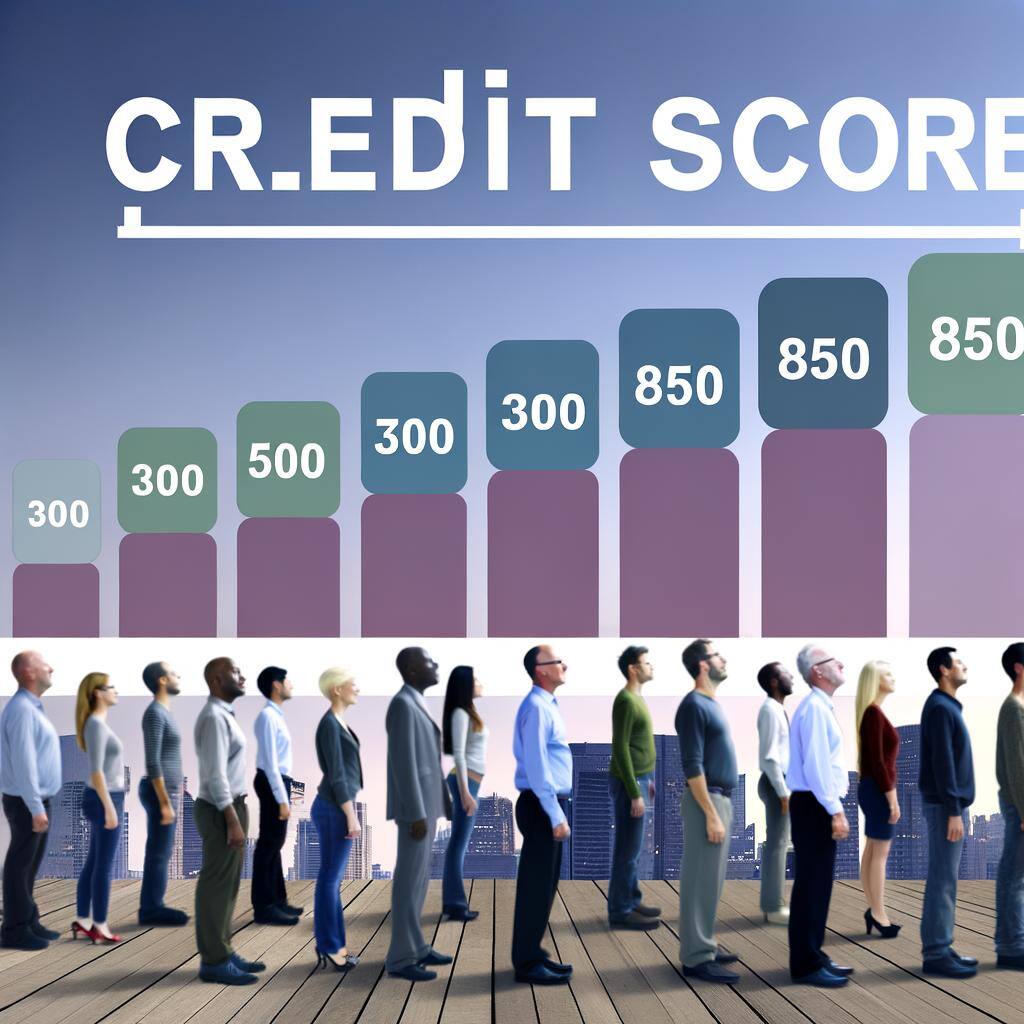
Not all credit scores are created equal
FICO scores are widely used credit scores in the United States, developed by the Fair Isaac Corporation. There are several different FICO Score models, each tailored for specific types of lending decisions. So, when an individual thinks they know their credit score, it may not be the same score the lender deciding the outcome is seeing. Here are the primary FICO Score models:
1. FICO Score 8
- Overview: The most widely used version for general credit evaluation.
- Key Features:
- Greater sensitivity to high credit card utilization.
- Less impact from isolated late payments.
2. FICO Score 9
- Overview: An update to FICO Score 8 with some changes in how certain types of data are treated.
- Key Features:
- Medical collections have less impact than other types of collections.
- Rental history, when reported, is considered.
- Paid collections do not affect the score.
3. FICO Score 10 and FICO Score 10T
- Overview: The latest versions, offering more predictive power and a more comprehensive view of credit behavior.
- Key Features:
- FICO Score 10T considers trended data, which looks at patterns in credit behavior over time, such as increasing or decreasing balances.
- Greater emphasis on credit card balances over time.
4. FICO Auto Scores
- Overview: Specialized versions used by auto lenders.
- Versions: FICO Auto Score 2, 4, 5, 8, and 9.
- Key Features: These models give more weight to auto loan-specific history, such as previous auto loan payments.
5. FICO Bankcard Scores
- Overview: Tailored for credit card issuers.
- Versions: FICO Bankcard Score 2, 4, 5, 8, and 9.
- Key Features: These scores are more sensitive to credit card behavior and are often higher than standard FICO scores.
6. FICO Score 2, 4, and 5
- Overview: Older models still used by some mortgage lenders, especially those backed by Fannie Mae and Freddie Mac.
- Key Features: These models have slightly different algorithms from newer versions but remain in use due to industry standards.
7. Industry-Specific Scores
- Overview: Tailored models for specific types of credit, such as mortgages, auto loans, and credit cards.
- Examples: FICO Auto Score, FICO Bankcard Score.
8. FICO Resilience Index
- Overview: A new model introduced to assess a consumer's financial resilience, particularly in challenging economic conditions.
- Key Features: Measures how likely a consumer is to continue making payments in difficult times.
Each FICO model is tailored to assess credit risk for specific types of lending decisions. The differences lie mainly in how they weigh various factors in your credit report.

And, if that's not complicated enough...
Credit reporting services, like Credit Karma, provides credit scores based on the VantageScore 3.0 model, not FICO scores. VantageScore was developed as a joint effort by the three major credit bureaus—Equifax, Experian, and TransUnion—as an alternative to FICO scores.
Here are some key features of the VantageScore 3.0 model:
- Credit Utilization: Similar to FICO, VantageScore 3.0 considers credit utilization as a significant factor.
- Payment History: Late payments and collections are critical factors, but medical collections have less impact, and paid collections do not hurt the score.
- Credit Age and Type: The model considers the age of your credit accounts and the types of credit accounts you have.
- Total Balances: The total amount of debt you owe is another factor.
- Recent Credit Behavior: Hard inquiries and recently opened accounts can lower the score.
- Available Credit: The amount of credit available to you, relative to your total credit limits, is also considered.
Credit Karma's scores can give you a good general idea of your credit health, but they may differ from the FICO scores used by most lenders.
If you have a business that relies on customers financing sales, this can be a very complicated and frustrating process. To maximize your sales, you really need to partner with a customer financing business that has a broad range of solutions that can accommodate consumers across the credit spectrum and help you get creative in how you structure your sales around financing. These are not the simplest times for consumer lending so the burden is on you to think outside of the box.
Complete the form below to learn about FLEXXBUY's Customer Financing Options
When Your Customer Needs To Finance The Sale
Flexxbuy Provides One Simple Application That Is Submitted To Multiple Lenders
Flexxbuy provides a solution for almost every business- big or small, any product or service, store, office or home-based
Here are some key features:
- Over 50 lenders
- Instant decisions
- Rates starting at 4.99%
- Amounts from $500 to $100,000
- All credit invited
- 0% promotions available
- 100 Percent Approval Programs Available